Rose Branch: A Designer’s Real-World Embroidery Review
First Impressions: Soft, Botanical, and Quietly Confident
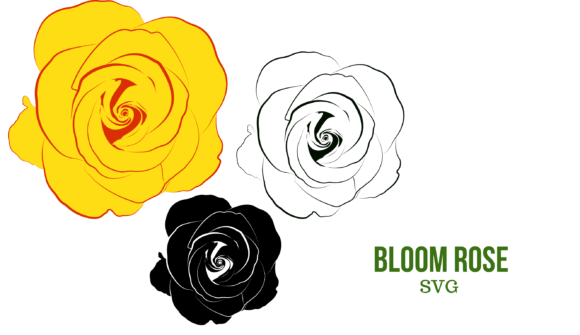
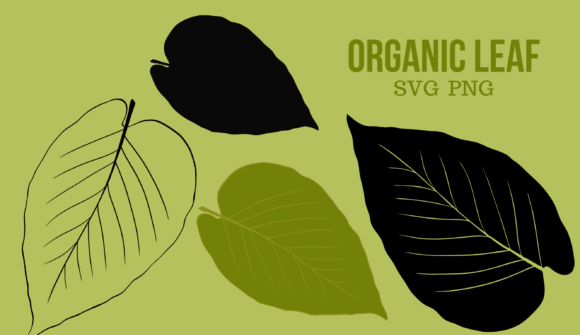
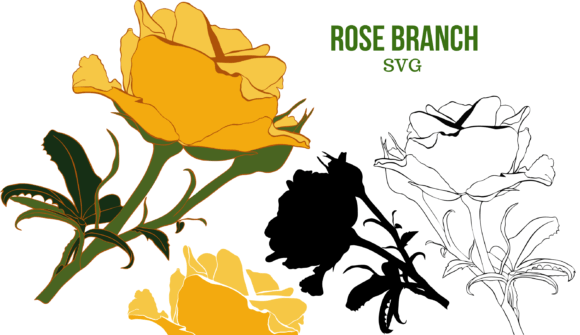
When Rose Branch landed in my inbox, I didn’t just scan the preview—I held it up to natural light, squinted at the edges, and imagined it stitched on a linen tea towel. This isn’t a bold, graphic rose. It’s a quiet branch: slender, slightly asymmetrical, with gentle curves and breathing room between elements. The silhouette shapes feel intentional—not simplified for speed, but distilled for grace. The linear floral patterns suggest movement, like vines catching a breeze. And those yellow-green tones? They read as fresh, earthy, and warm—not neon, not muted—just right for handmade product photography and real-life wear.
Real Project Test: A Custom Linen Tote for a Local Botanical Shop
Last week, I used Rose Branch to embroider a set of medium-weight linen tote bags for a small-town plant shop. No digital mockup first—just thread, stabilizer, and instinct. I chose a matte cotton stabilizer (medium tear-away) and tested three thread colors: olive green, warm beige, and soft chartreuse. On the first bag, I went too dense—overfilled the central rose—and lost some of the delicate line work. By bag three, I’d reduced fill stitch density by 15% and switched to a finer needle. The result? Crisp linear stems, airy petals, and a design that looked hand-drawn—not machine-made. Customers kept touching the embroidery, saying, “It feels like part of the fabric.” That’s the goal.
Where Rose Branch Shines (and Where It Asks for Care)
- Custom apparel: Works beautifully on sweatshirts and relaxed-fit tees—especially when placed off-center or along a seam. The branch layout follows natural garment lines without fighting them.
- Tote bag design & pillow covers: Its open composition prevents visual heaviness. No muddying, even on textured weaves.
- Baby embroidery & nursery decor: The soft palette and lack of sharp angles make it ideal for onesies, burp cloths, and wall hangings—no “too busy” fatigue for tiny eyes.
- Holiday embroidery & wedding gifts: Paired with ivory thread on oatmeal linen, it reads timeless—not seasonal. Perfect for monogrammed kitchen towels or guestbook covers.
- Etsy seller & small shop product: Rose Branch reads premium without shouting. It elevates a $28 apron or $42 sweatshirt because it feels considered, not clip-art.
Use With Intention—Not Assumption
Rose Branch is forgiving, but not magic. On stretchy knits (like baby rib or lightweight French terry), I added cutaway stabilizer behind the hoop and slowed my machine speed—otherwise, the linear stems blurred slightly at curves. On dark fabric, I confirmed contrast early: the yellow-green palette stays legible, but only if your thread has enough sheen. Matte cotton thread disappeared on charcoal twill until I switched to rayon. And on curved surfaces—like the front of a dad cap—I resized the branch down 10% and repositioned it higher on the crown to avoid distortion near the seam.
Design Assets That Earn Their Place in Your Workflow
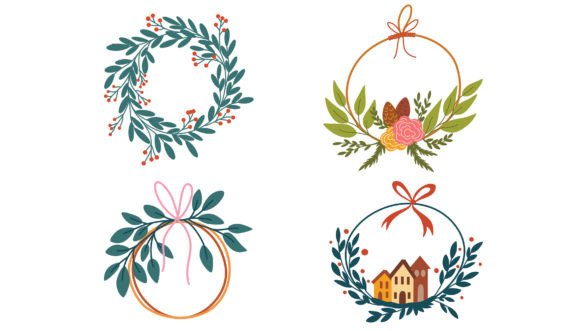
This isn’t just another floral Illustrations pack. Rose Branch behaves like a *designer’s tool*, not just decoration. Because the elements are modular—silhouette leaves, single blooms, trailing stems—you can build variations fast: isolate one bud for a baby onesie, repeat the vine motif as a border on a tea towel, or flip the branch horizontally for a mirrored pair on pillow inserts. That flexibility matters when you’re juggling five Etsy orders before lunch.
As a Graphics collection, it bridges digital and physical seamlessly. I dropped the SVG into Illustrator to adjust spacing for a printable mockup, then exported the cleaned vector to my embroidery software without losing fidelity. No jagged edges. No collapsed paths. Just clean geometry that translates cleanly to stitch files.
What Rose Branch Says About Your Finished Product
Customers don’t buy “a rose.” They buy *feeling*: calm, care, intention. Rose Branch delivers that quietly. It doesn’t scream “handmade!”—it whispers it through thoughtful negative space and balanced rhythm. That builds trust. When someone sees this on a boutique sweatshirt or personalized gift, they assume attention was paid—not just to stitching, but to how the design lives on the item long after purchase.
For craft business owners, that perception directly lifts perceived value. A $36 embroidered tote with Rose Branch sells faster than one with a generic rose cluster—even at the same price—because it looks curated, not copied. For Etsy sellers, it improves click-throughs in search: “botanical embroidery,” “minimalist floral tote,” “linen apron design”—all align naturally, no keyword forcing needed.
Practical Notes from My Hoop (Not the Listing Page)
- Always test on scrap fabric first—especially with textured or dark materials. Thread behavior changes more than you think.
- Check stitch density before hooping. Rose Branch’s linear parts need lighter running stitches; its central bloom benefits from moderate fill—not heavy satin stitch.
- Review small details at actual size. Those leaf tips? Tiny—but critical. If they vanish on your machine, adjust underlay or reduce zoom in your software.
- Test black-and-white mockups. Rose Branch holds up well in monochrome, but confirm contrast works for your brand’s aesthetic.
- Confirm licensing before selling finished items. Since Rose Branch is marketed as a Graphics collection for commercial use, verify whether resale of physical products is permitted—or if digital redistribution (e.g., as part of a design bundle) requires separate permission.
- Match stabilizer to fabric—not just weight, but drape. A stiff cutaway can ruin the softness of a baby blanket; a lightweight tear-away keeps a silk blend from puckering.
Rose Branch won’t fix poor hooping or mismatched thread. But in skilled hands? It becomes part of the story—not just the decoration. It’s the kind of embroidery file that makes customers pause, trace the stem with their finger, and remember where they bought it. That’s not just design. That’s craftsmanship, translated.