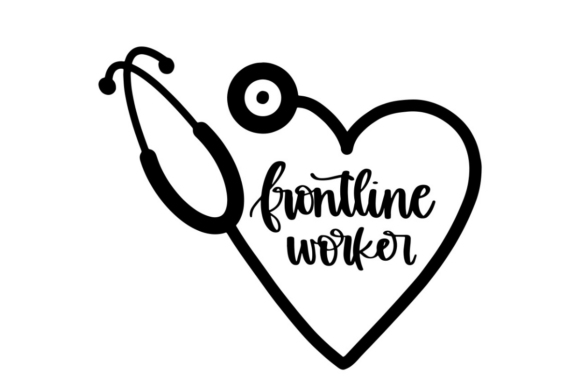
Frontline Worker with Stethoscope
A Quiet Moment, Not a Loud Statement
When I first opened Frontline Worker with Stethoscope, I didn’t see a “design” — I saw a pause. A breath held between urgency and care. The hand-lettered script feels grounded, not fussy; the stethoscope motif is subtle but unmistakable — drawn with clean lines, no excessive ornamentation. It doesn’t shout “hero.” It whispers “here, I showed up.” That tone matters deeply when you’re stitching something meant to be worn, gifted, or sold. This isn’t a bold graphic for a festival tee — it’s the kind of machine embroidery design that belongs on a nurse’s tote bag she carries every shift, or the inside hem of a pediatrician’s lab coat. Its strength lies in restraint.
Where It Lives Best: Real Projects, Real Fabric
I tested Frontline Worker with Stethoscope across three real-world items: a medium-weight cotton canvas tote, a midweight French terry sweatshirt, and a soft 100% cotton tea towel. On the tote? Perfect. The script flowed cleanly, the stethoscope detail held without distortion, and the overall scale felt intentional — neither shrinking into insignificance nor overwhelming the surface. On the sweatshirt, I used a tear-away + cut-away stabilizer combo and adjusted tension slightly — and it stitched with quiet confidence. No puckering, no thread breaks. The design’s moderate stitch density made it forgiving on textured fabric, and the letterforms stayed legible even at 3.5 inches wide.
The tea towel was the most revealing test. Because towels have nap and absorbency, I ran a quick black-and-white mockup first — and realized how much the design relies on contrast. On off-white linen, the script read beautifully. On charcoal grey? I swapped to a bright white thread and added one extra layer of stabilizer beneath the hoop. Result: crisp, dignified, and warm. That’s the kind of nuance Frontline Worker with Stethoscope demands — and rewards.
Where to Proceed Thoughtfully
- Small hoop sizes: Don’t force it below 4" x 4". The script’s delicate curves and stethoscope loop need breathing room — cramming it smaller risks losing clarity in the satin stitch transitions.
- Stretchy or thin fabrics: Baby onesies or lightweight tees require extra stabilization. Use a light cut-away behind the fabric and consider reducing stitch density if your machine allows — this design doesn’t need heavy fill to communicate its message.
- Curved surfaces (like caps): The layout is horizontal and linear — great for front panels, less ideal for curved crowns unless resized and repositioned with care. Test on scrap cap fabric first.
- Dark or heavily textured backgrounds: Always preview in grayscale. If the script starts to visually “sink,” increase thread contrast — ivory on navy works, but pale grey on charcoal won’t.
What It Adds to Your Finished Product
This isn’t just a digital embroidery file — it’s a trust signal. When a customer sees Frontline Worker with Stethoscope stitched cleanly onto a handmade apron or pillow cover, they don’t just register “medical theme.” They feel intention. They sense respect. That translates directly to perceived value: a $28 embroidered kitchen towel feels like a meaningful gift, not just decor. For Etsy sellers and small shop owners, that emotional resonance supports higher pricing and better reviews. It also strengthens brand consistency — whether you're curating a line of healthcare-themed nursery decor or building a boutique collection of personalized gifts for caregivers, this design anchors the collection with quiet authenticity.
Designer Notes You’ll Actually Use
- Always run a test stitch on scrap fabric matching your final project’s weight and texture — especially before committing to a client’s custom apparel or holiday embroidery order.
- Check thread color contrast early. Try your chosen thread on both light and dark fabric swatches before hooping.
- Review stitch density in your embroidery software. If it looks overly dense in the script’s downstrokes, consider a slight reduction — this design shines when it breathes.
- Confirm hoop size compatibility. While flexible, it performs best in standard 5" x 7" hoops — avoid pushing into tiny 3" formats unless you’ve verified legibility.
- Inspect small details at 200% zoom: the curve where the stethoscope meets the script, the spacing between letters, the tail of the “e” — these define its handmade presentation.
- Test in printable mockups — not just full-color, but grayscale and inverted — to anticipate how it’ll render on varied backgrounds.
- Use proper stabilizer: medium-weight cut-away for knits, tear-away for stable wovens, and a light film for sheer fabrics.
- Verify licensing terms before selling finished products or bundling the digital embroidery file with other design assets — commercial use isn’t automatic.
Final Thought: Design With Purpose, Not Just Pixels
Frontline Worker with Stethoscope succeeds because it remembers it’s going on a person — not a screen. It’s designed for wear, for washing, for gifting, for quiet pride. As a designer who’s stitched hundreds of client projects, I appreciate when a graphics file respects the craft: when the curves translate to smooth satin stitch, when the lettering avoids fragile jump stitches, when the scale invites connection instead of distance. This one does. Whether you’re an embroidery hobbyist making a thank-you gift, a craft business owner launching a new line of custom apparel, or an Etsy seller curating heartfelt design assets — Frontline Worker with Stethoscope earns its place in your library. Just remember: let it breathe, honor its tone, and stitch it like it matters — because for someone, it will.